Stock code: 601677
Stock code: 601677
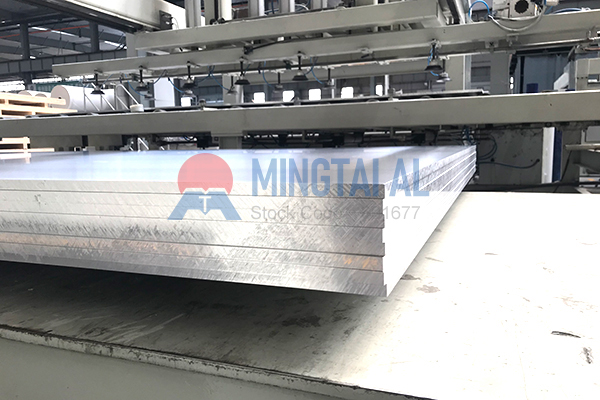
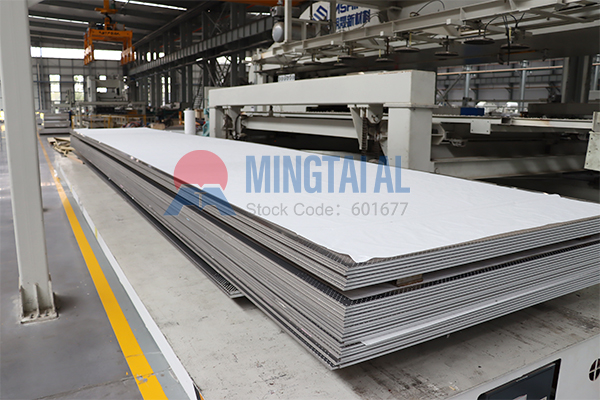
Large structural components often need fewer seams, better sealing, and a cleaner finished surface. A 5052 Ultra-wide Aluminum Plate helps meet those needs. Ultra-wide aluminum plate generally means sheet wider than standard widths—often above 1500 mm, and in demanding applications 2000 mm or more. Its main value is practical: fewer joints, stronger continuity, and better sealing for large-span industrial structures.
Ultra-wide plate is not simply a wider version of standard sheet. It is made for projects where one large panel can replace several narrow pieces. That can mean fewer welds, less cutting waste, and a more unified structure.
Common widths start from 1500 mm to 2000 mm. Special production can reach up to 2650 mm. Thickness commonly ranges from 1.0 mm to 260 mm. Alloys such as 5052, 5083, 5182, and 6061 can be selected for different working conditions.
For designers, the real question is not only whether a mill can roll wide plate. It is whether the plate stays flat after cutting, bending, and welding. A wide sheet that distorts during fabrication can erase the savings gained from fewer seams. That is why width, flatness, and thickness consistency should be reviewed together.
5052 is an Al-Mg rustproof aluminum alloy. It is known for corrosion resistance, formability, and stable welding performance.
Its magnesium content is typically 2.2%–2.8%, with chromium added to improve corrosion resistance. It is not strengthened by heat treatment; strength is increased by cold working.
Core properties include:
– Excellent corrosion resistance in salt spray, humidity, seawater, and industrial exhaust environments.
– Good bending, stamping, and deep drawing performance.
– Stable welding with TIG, gas welding, and other common methods.
– Reduced fabrication steps when supplied in ultra-wide formats.
It also performs well in humid and coastal conditions, which makes it a common choice for transport and marine panels. Compared with some heat-treatable alloys, it is easier to form and weld, helping reduce process risk.
Large components often benefit most. Typical applications include:
– Commercial vehicles and tankers: one-piece side panels, cargo floors, fuel tanks.
– Shipbuilding: hull side plates and ribs with fewer welded seams.
– Architectural facades: large decorative panels with fewer visible joints.
– Industrial equipment: outer covers and housings for laser cutting machines and large equipment.
In these uses, the goal is not only size. It is also flatness, surface quality, and long-term stability. A tanker body or equipment cover made from one wide panel can avoid long seams that may collect moisture or require extra finishing. This improves appearance and reduces maintenance.
Fewer Joints, Better Integrity
A wider plate can be formed as one piece. This reduces welding and splicing, lowering stress concentration and improving sealing.
High Precision and Surface Quality
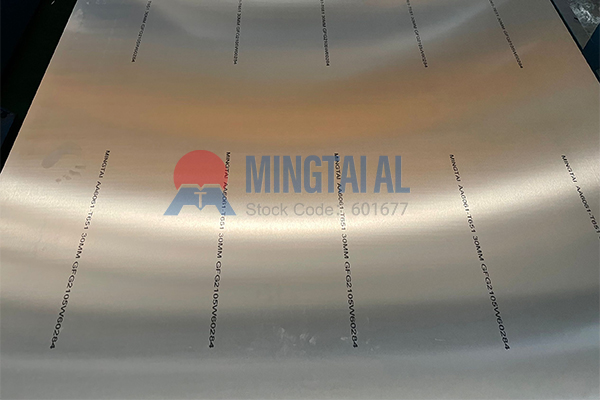
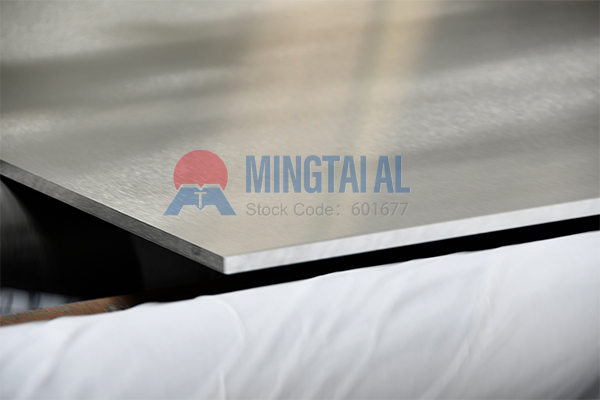
Advanced rolling lines control thickness tolerance, cooling, and stretching. The result is a flatter sheet with a clean surface for precision processing.
Easy to Fabricate
A full-size sheet suits large molds, chassis, and cargo floors. It helps simplify layout and reduce handling steps.
Lightweight but Strong
Aluminum has low density. With proper design, ultra-wide plate can reduce equipment weight while maintaining strength—useful in new energy vehicles and rail transport.
Fewer joints can also simplify inspection and cleaning. Smooth, continuous surfaces are easier to seal and less likely to develop leaks over time.
Wide rolling requires powerful mills and careful control. Key points include:
Buyers should also consider protective film, edge condition, and packaging, because wide plates are more prone to handling damage during transport. Good packing and careful loading help preserve surface quality.
Is ultra-wide 5052 plate good for marine environments?
Yes, its magnesium-based alloy resists saltwater and humid conditions.
Can it be welded easily?
Yes, it works well with TIG, gas welding, and other common methods.
What is the advantage over standard sheet?
It reduces seams, welding, waste, and assembly time.
Can width and length be customized?
Yes, width, thickness, and length can be selected for the project.
Choose the alloy, thickness, width, and surface finish based on the service environment and forming process. Before ordering, define the forming method, weld layout, and final surface requirement. If the part will be visible, surface quality and flatness become more important. If it will carry load, thickness consistency and alloy selection matter more. This helps avoid over-specifying or choosing a plate that is hard to process.
For projects that need fewer seams and dependable supply, Mingtai Aluminum produces 5052 ultra-wide aluminum plate and supports project and export orders. Contact the team with your width, thickness, and application details to discuss a suitable specification.