Stock code: 601677
Stock code: 601677
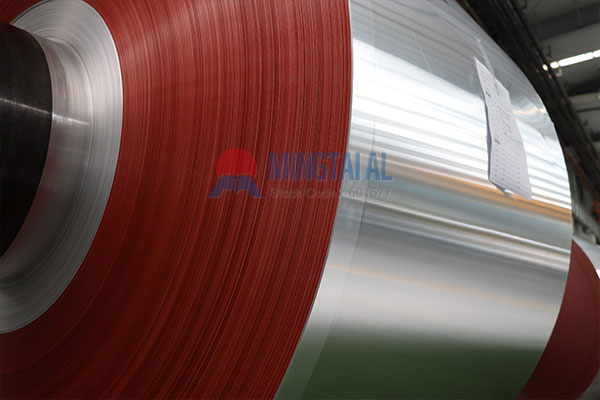
For ACP production, the surface layer—the Color Coated Aluminum Coil—is the core material that determines durability, colour performance, and overall quality. Selecting the right coil means half the battle is won.
This is the most common decision you will face.
– Polyester (PE) – Offers rich colours, good formability, and a more moderate cost. Suitable for interior partitions, decorative signs, and projects with low weather exposure. Typical PE coating thickness ranges from 16 to 25 microns, with some specifications up to 33–40 microns.
– Fluorocarbon (PVDF) – Based on a minimum of 70% PVDF resin and compliant with AAMA 2605. This is the highest-performance coating standard for building facades today. It has passed accelerated salt‑spray tests exceeding 4,000 hours and maintains excellent colour and gloss retention under outdoor exposure. Ideal for exterior curtain walls, high‑rise buildings, and coastal environments.
In short: choose PVDF for outdoor applications, PE for indoor use. The cost difference is about 20‑30%, but the gap in service life is far greater.
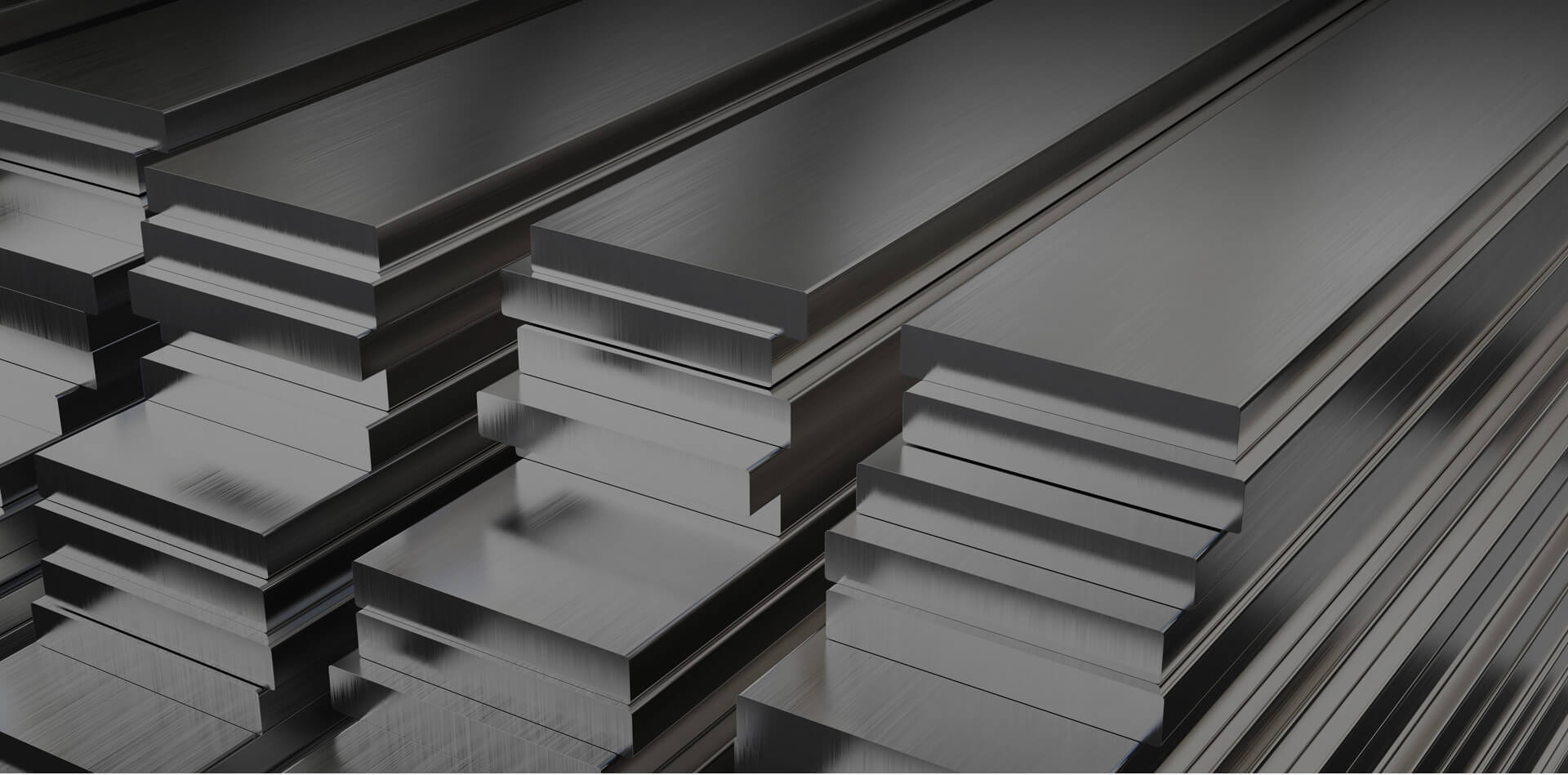
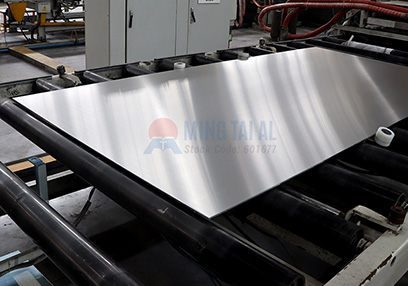
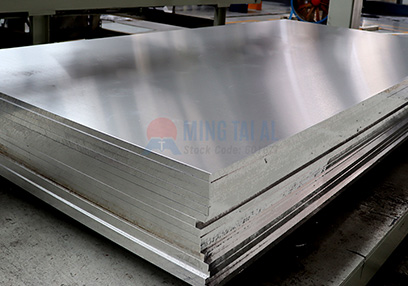
The base metal for ACP‑grade coated coils should preferably be from the 3xxx or 5xxx series.
– 3003 aluminium‑manganese alloy – About 10% stronger than 1100 aluminium coil, with good formability and corrosion resistance. This is the most widely used substrate for aluminium composite panels.
– 1100 pure aluminium – High purity and excellent workability, often used for interior decoration where strength is less critical.
– 5005 aluminium‑magnesium alloy – Higher strength, suitable for projects demanding better flatness and mechanical performance.
The thickness of the coil directly affects panel performance and processing difficulty.
According to Chinese standard GB/T 17748‑2016 for curtain‑wall ACP, the average aluminium sheet thickness must not be less than 0.50 mm, with a minimum of 0.48 mm. The total panel thickness should be at least 4 mm.
For interior panels, the upper and lower aluminium layers are typically 0.20 mm thick.
Typical thickness choices:
– Standard curtain‑wall panels: 0.8–1.2 mm
– Complex curves or shaped panels: 1.2–2.0 mm
– Interior partitions and decoration: 0.5–0.8 mm
Widths generally range from 800 to 2000 mm, and can be slit to your production line requirements.
When evaluating coated coils, pay attention to these six aspects:
Discolouration or peeling on installed panels usually happens when an indoor‑grade coil (PE) is mistakenly used outdoors—it cannot withstand prolonged UV exposure. Surface deformation or blistering often relates to poor substrate flatness. “Edge wave” (wavy edges) is a rolling defect originating from the coil edges.
Most of these problems can be eliminated at the material selection stage.
The Color Coated Aluminum Coil is the foundation of your panel quality—choose it wisely, and your products will stand the test of time. Mingtai Aluminum offers high‑quality coated coils tailored for ACP production. We welcome your inquiry.
Q1: Should I choose PE or PVDF for outdoor ACP?
A: PVDF is recommended for outdoor use due to its superior weatherability.
Q2: What thickness of coated coil is typical for ACP?
A: Curtain‑wall panels require ≥0.50 mm aluminium, while interior panels use 0.20 mm.
Q3: What is the difference between 3003 and 1100 substrates?
A: 3003 is stronger and more commonly used for ACP than 1100.
Q4: Can the colour be customised?
A: Yes, colours can be matched to RAL, Pantone, or physical samples.
Q5: How can I quickly assess coil quality?
A: Check surface, thickness, colour, adhesion, and third‑party test reports.